The Almost-Right Buy: Why I’m Stepping Back From Dupe Culture

Photo: Jaggery , CC BY-SA 2.0, via Wikimedia Commons
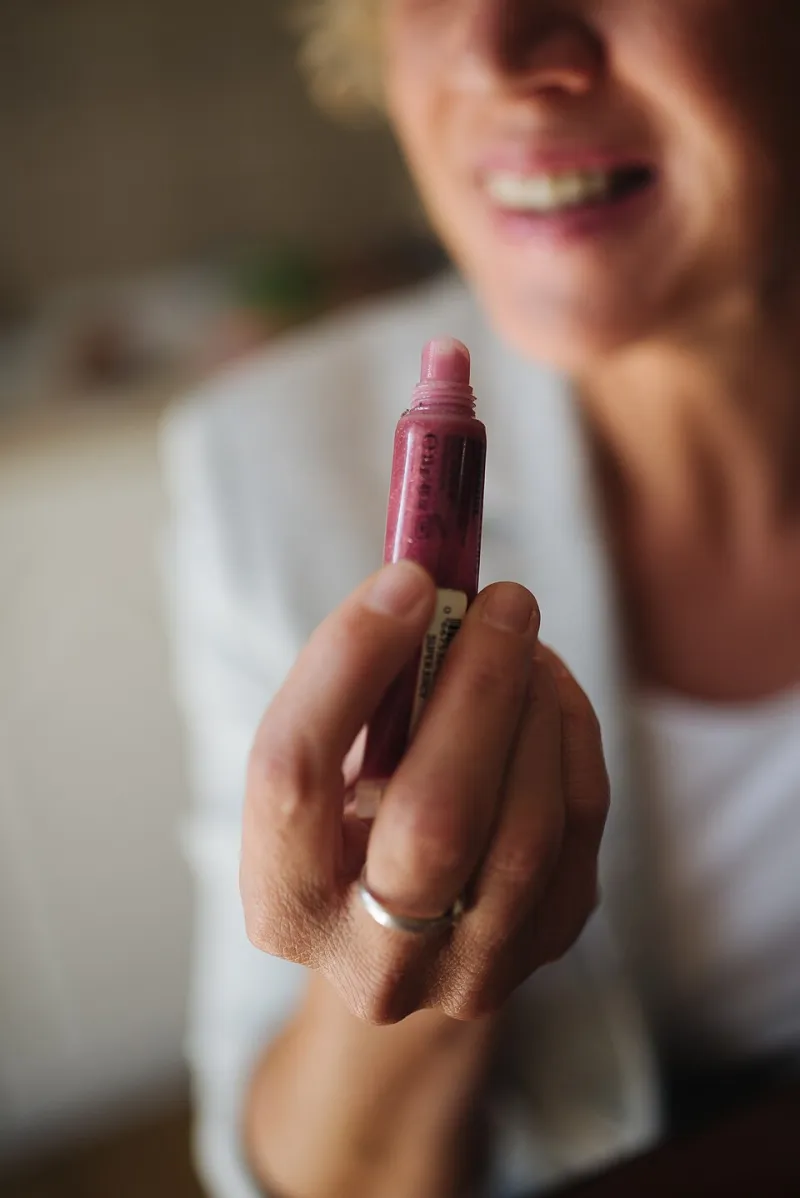
There is a particular kind of tiredness that comes from standing in Boots with your phone out, comparing the ingredient list on a £9 lip oil with the one on a £24 lip oil you actually want. It is not the tiredness of a long day. It is the tiredness of a decision that keeps multiplying. You came in for one thing. You leave with three almost-right things and a vague sense of having got a bargain without actually getting what you wanted.
I have done this more times than I care to admit. The dupe hunt feels virtuous. It feels like being sensible about money, which in 2026 is not a small thing. But lately I have started to wonder whether the habit has quietly stopped serving us. The UK beauty and fashion conversation is now so saturated with ‘get the look for less’ that the pleasure of choosing well has been flattened into a game of spot the difference.
The aisle of almosts
Boots is where the dupe economy becomes visible. You can see the original product and the lookalike sitting a few shelves apart, same peach packaging, same promise, different price. Space NK tells a different story: the brands are more rarefied, the lighting is softer, and the whole experience is designed to make you slow down. But even there, the phone comes out. Is this the same as the one everyone is talking about? Is the texture close enough? Is it worth the difference?
Dupe search culture has made us fluent in this language. We know the vocabulary of ‘dupe’, ‘alternative’, ‘budget edit’ and ‘same energy’. We can compare formulas, shades and packaging in seconds. That is not entirely bad. Information is power, especially when money is tight. But information can also become noise. When every purchase is framed as a comparison, it becomes harder to hear your own taste.
What we lose when everything is a lookalike
The obvious cost is environmental. Buying three almost-right lipsticks instead of one right one is not a saving; it is a slower kind of waste. The same goes for fashion. Three £25 versions of a £90 jumper are not a £75 saving. They are three jumpers that pill, misshape or never quite sit right, and one original you still think about. The landfill does not care about your cost-per-wear spreadsheet.
But there is a quieter loss too. Dupe culture can make us suspicious of our own desire. If you want the original because of the colour, the texture, the smell, the ritual of using it, a lookalike rarely scratches that itch. It just postpones the decision. You buy the dupe, you use it for a week, you realise it is not the same, and eventually you buy the thing you wanted anyway. The dupe becomes a tax on indecision.
That is the part I have started to resent. Not the saving, but the delay. The way a good dupe can convince you that you have made a choice when you have only made a detour.
The case for a middle path
I am not anti-dupe. There are moments when a dupe is genuinely smart. If you want to test a formula before committing to a full-size product, a dupe or a travel size is sensible. If a brand’s shade range is poor, an alternative is not a compromise; it is a correction. If you are buying a trend-led piece you will wear for one season, a cheaper version can be the responsible choice. The problem is not the dupe itself. The problem is the habit of defaulting to the dupe before you have asked what you actually want.
So here are the rules I am using now. They are personal, not prescriptive, but they have made my wardrobe and my bathroom shelf feel calmer.
1. Dupe the formula, not the feeling. If you want the finish, texture or shade of a product, a good alternative can work. If you want the label, the ritual or the pleasure of the original, wait. A dupe will not fix a feeling.
2. Only dupe categories you use daily. A daily moisturiser or cleanser is worth researching. A once-a-month glitter eyeliner is not. Borrow, buy a mini, or skip it.
3. One almost-right is a test. Three is a decision you are avoiding. If you have bought multiple versions of the same thing, stop. You know what you want. Either buy it or let it go.
4. Check what the dupe leaves out. Ingredients, SPF, shade range, refillability, cruelty-free status. A cheaper product is not smarter if it misses the thing that made the original work for you.
5. Use the 72-hour rule. If you are still thinking about the original after three days, it is probably worth saving for. If you have forgotten it, the dupe was never the point.
6. For fashion, dupe the trend, not the construction. A cheap version of a passing trend is fine. A cheap version of a coat, bag or pair of boots is usually a false economy. Buy the best construction you can afford, or buy second-hand.
The 2026 shopper is supposed to be savvy, and she is. But savvy does not have to mean suspicious of every full-price tag. Sometimes the smartest thing you can do is stop comparison-shopping, close the tabs, and choose one thing properly. The almost-right buy is not a bargain if it keeps you from the right one.