From Afterthought to Anchor: The Quiet Case for Better Gloves This Winter
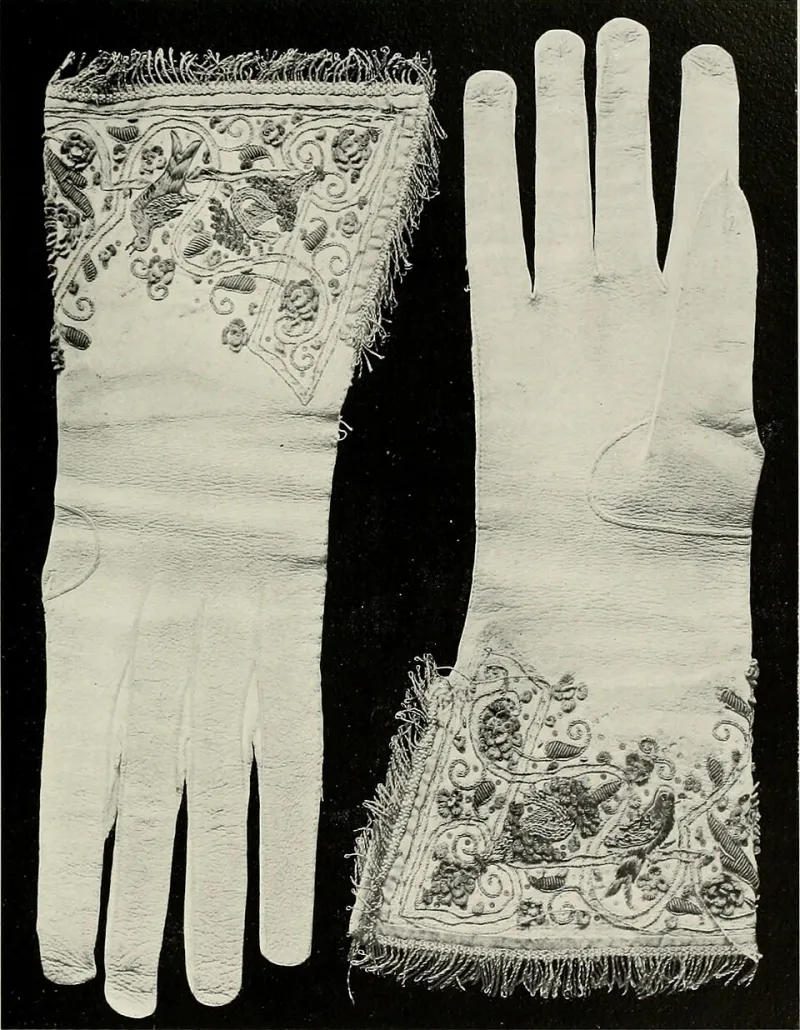
Photo: Internet Archive Book Images, No restrictions, via Wikimedia Commons
There is a particular November moment in the UK when the coat is doing all the visible work and the hands are quietly suffering. You have the wool layer, the sturdy shoes, perhaps even the sensible scarf, and then you reach the bus stop without gloves. The result is not a wardrobe disaster, exactly. It is more of a missing full stop. The outfit is there, but it has not been properly finished.
Gloves have a strange reputation. We treat them as emergency kit rather than style pieces, something to buy in a panic when the forecast turns, then stuff into a coat pocket and forget until the next cold snap. Yet a good pair changes the way a coat sits, the way you carry yourself, and — rather practically — the way you feel at 7.45am on a damp Monday. This winter, it is worth giving them the same thought you give to a bag or a knit.
Start with the wrist, not the hand
The most common glove mistake is buying for the palm alone. A pair can feel fine when you flex your hand in the shop, then reveal itself as slightly wrong at the wrist: too loose, too tight, or ending at an awkward point under the sleeve. The wrist is where the glove meets the coat, and that joinery matters.
Look for a pair that sits neatly under your coat cuff without bunching. If you wear a tailored wool coat with a clean sleeve, a glove with a slim, simple cuff will look more considered than a chunky ribbed one. With a puffer or a shorter casual jacket, a knit cuff can add a bit of softness and stop the cold creeping in. The rule is not rigid; it is about whether the glove looks like it belongs to the sleeve above it.
Proportion counts, too. Long leather gloves can look very polished with a three-quarter sleeve or a bracelet-length coat sleeve, but they can feel fussy under a tightly cuffed coat. Short gloves are easier for everyday commuting, especially if you are constantly fishing for a phone or a travel card. If in doubt, take the coat you wear most and try gloves with it. That is a far better test than a mirror in a shop doorway.
Leather, knit, or cashmere-lined?
Leather is the obvious choice for a polished finish, and for good reason. A well-cut leather glove looks smart with tailored coats, works for meetings and dinners, and develops a nice patina if you look after it. It is not automatically the warmest option, though. Unlined leather can feel chilly on a genuinely cold morning, so if you run cold, a cashmere or wool lining is worth the extra thought. Leather also needs a little care to stay supple; more on that below.
Knit gloves are the easy, forgiving option. They are warmer per pound, pack down small, and suit casual coats, weekend walks and the kind of weather that cannot decide whether it is drizzle or proper rain. The trade-off is shape. Cheap knits can stretch, pill or go bobbly at the fingertips, so look for a denser yarn and a neat finish at the seams. A wool or wool-blend knit will generally feel warmer and more durable than a thin synthetic pair.
Cashmere-lined gloves are the quiet luxury option, but they are not automatically delicate. The lining adds warmth without bulk, which makes them useful under slim coat sleeves. Just check the fit carefully: a lined glove can feel tighter than an unlined one, and you still need room to bend your fingers. If you only buy one smarter pair this winter, a simple leather glove with a soft lining is a sensible place to start.
The touchscreen question
We can pretend we do not need touchscreen gloves, but most of us do. The practical solution is not to buy the thinnest pair with a conductive patch and hope for the best. It is to decide where you actually need your hands to work. If you are mostly checking a phone at a bus stop, a pair with conductive fingertips on the thumb and index finger is enough. If you are cycling, walking with a coffee, or constantly replying to messages, look for a pair where the touchscreen panels feel properly integrated rather than tacked on.
There is also a style point here. Touchscreen knit gloves can look a little sporty, which is fine with casual outerwear but less so with a tailored coat. A leather pair with discreet conductive fingertips is often the more polished compromise. And if you are buying for someone else, remember that touchscreen performance varies wildly. It is one of those features worth testing before you commit.
A small rotation beats a drawer of oddities
You do not need a glove collection in the way you might have a scarf collection. You need a small rotation that covers the way you actually live. For most people, that means three pairs: a smart leather pair for coats and occasions, a warm knit pair for errands and weekends, and a spare pair that lives in the car, work bag or hallway drawer. If you commute by bike or spend a lot of time outdoors, add a weatherproof pair and stop pretending the others will cope.
This is also the moment to audit the singles. We all have the lone glove at the back of a drawer, usually the one that was slightly too tight or slightly too thin. Let it go. A glove you do not enjoy wearing is not a spare; it is clutter. A smaller, better-chosen rotation means you are more likely to grab a pair on the way out, which is the entire point.
Care is less effort than replacement
Gloves suffer because we treat them like tissues. They get stuffed into pockets, left on radiators and dried in a heap. Leather especially dislikes direct heat. If a pair gets damp, shake them out, reshape them gently and leave them to dry naturally at room temperature. Stuffing the fingers with tissue paper helps them keep their shape. Do not put leather gloves on a radiator or hover them over a heater; it will dry out the leather and make it stiff.
For leather, a little conditioner once or twice a season keeps it supple and helps it resist damp. Knit gloves can be hand-washed in cool water with a gentle detergent, pressed in a towel rather than wrung out, and dried flat. Cashmere-lined pairs need a gentler approach, so check the label rather than guessing. The aim is simple: fewer odd, stiff, bobbly pairs and more gloves that feel good enough to wear every day.
The coat-finishing test
Before you buy another coat this winter, try the glove test. Put on your most-worn coat, add the gloves you already own, and look at the whole line from sleeve to hand. Does it look intentional? Does the glove make the coat feel more complete, or does it look like an afterthought? If it is the latter, you do not necessarily need a new coat. You may just need a better pair of gloves.
That is the quiet usefulness of the glove. It is small, it is practical, and it finishes the outfit in a way that is easy to overlook. In a British winter that cannot quite decide what it is doing, that counts for more than it sounds. Choose a pair that fits your wrist, suits your coat and survives your commute, and you will wonder why it took so long to give them a proper place in the wardrobe.