The 4pm Palette: Getting Colour Right When the British Sky Goes Flat
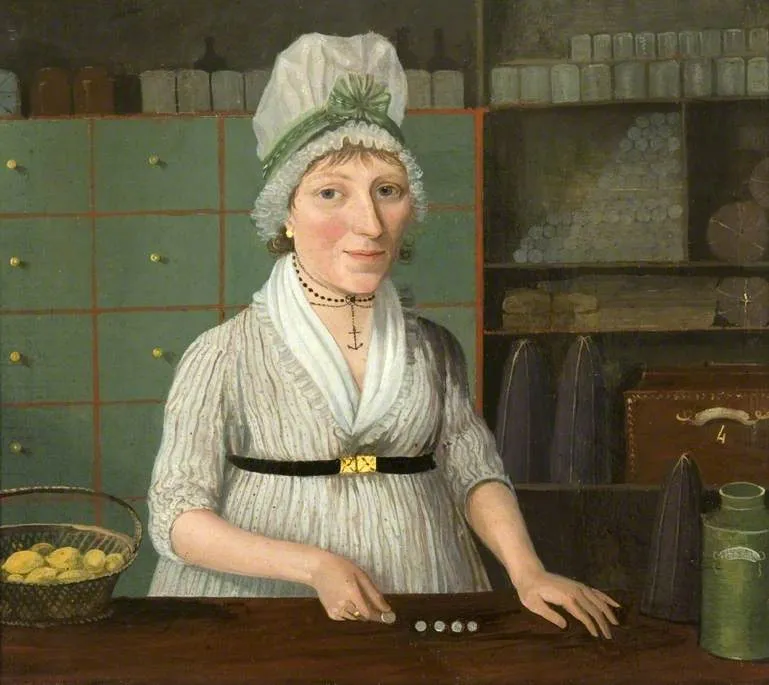
Photo: anonymous , Public domain, via Wikimedia Commons
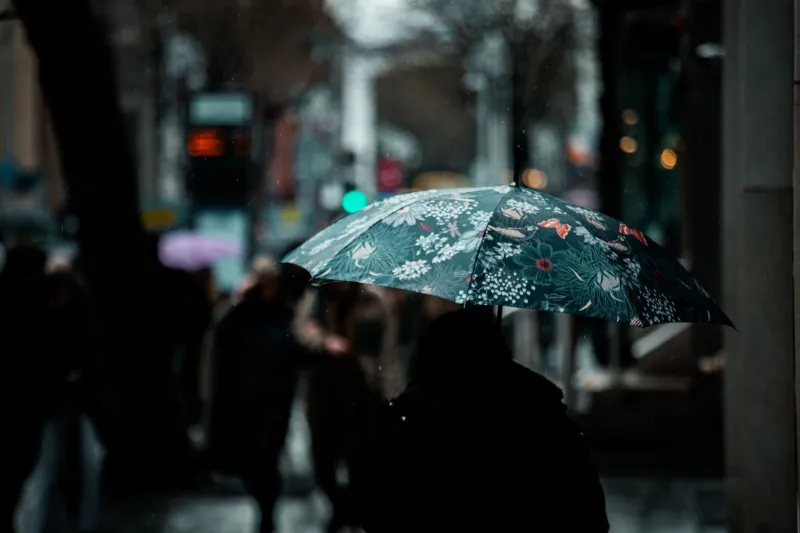
British November has its own colour temperature. It is not simply grey. It is a soft, damp, low-contrast grey that arrives around 3.30pm, bounces off wet pavements and then collides with the warm yellow bulbs of a pub, a bus or a kitchen. That shift matters more than most wardrobe advice admits. A jumper that looks crisp in September can turn chalky by Bonfire Night; a lipstick that reads polished in daylight can look flat under a warm lamp. The question for 2026 is not which colours are in. It is which colours still work when the sky has given up.
The Light Is the Stylist
In a British winter, the sun sits low and the light is diffuse. There is less contrast between objects, so strong colours can look louder than intended and pale colours can disappear altogether. Add wet pavements and you get a constant grey-blue reflection from below, which is unforgiving near the face. Add warm indoor lighting and the same outfit changes again: icy pastels can turn slightly chalky, while cream, camel and chocolate start to glow.
This is why the colour test is not about fashion trends. It is about reflection. Shades that hold a little depth and warmth tend to bounce light back onto the skin. Shades that are very pale, very cool or very bright can drain the complexion in low light, especially if you are already tired, cold or standing under a bulb in a queue. The aim is not to look summery in November. The aim is to look awake, intentional and polished at 4pm.
The Shades That Survive a Grey Day
The most reliable winter palette for British light is built on soft neutrals and muted depth. Oatmeal, ecru and soft cream are kinder near the face than stark white. Camel and caramel add warmth without shouting. Chocolate brown is a softer alternative to black for coats, trousers and knits, particularly if black tends to make you look shadowy in photographs. Burgundy, forest green and muted plum give you colour without neon brightness. Slate blue and dove grey work well as cool counterpoints, but they need texture or a warmer accessory to stop them feeling flat.
Soft blush is the quiet hero. A blush-toned knit, scarf or blouse can lift a grey outfit without looking sweet. The same goes for a muted rose lipstick or a cream blush on the cheeks. In low light, a little warmth at the face is worth more than a dramatic eyeshadow. If you want one rule for 2026, make it this: choose depth over brightness, and warmth over ice.
High-Street Edit for 2026
Start with the pieces you will actually wear on a wet Tuesday. Marks & Spencer Autograph cashmere and John Lewis Anyday knits are useful for soft cream and oatmeal layers. Uniqlo merino crews work well under coats and come in sensible deep greens and navies. Arket and COS are good for chocolate tailoring and slate-blue knitwear that looks more expensive than it is. & Other Stories often has the burgundy dress or muted plum blouse that makes a grey coat feel deliberate. Whistles and Boden are worth checking for forest-green outerwear and velvet pieces that work for daytime as well as party season.
For accessories, think in texture rather than sparkle. A suede bag in camel, a wool scarf in dove grey, leather gloves in chocolate and gold-tone hoops will do more for a grey-day outfit than a bright synthetic scarf. If you want one high-street update, make it a cream or oatmeal crewneck that fits well under your winter coat. It will work with burgundy, green, grey, denim and brown, which is a better return than a single trend colour.
Outfit Formulas for 4pm
Formula one: oatmeal crewneck, chocolate wide-leg trousers, leather loafers and small gold hoops. Add a camel coat if you are going outside. This works because the colours are close in tone, so the outfit looks calm rather than washed out, and the gold adds warmth near the face.
Formula two: burgundy midi dress, grey wool coat, black leather boots and a cream scarf. The scarf is the important part. It separates the burgundy from the grey and stops the whole look feeling heavy. Swap the boots for loafers if the day is dry.
Formula three: forest-green knit, straight-leg blue jeans, camel coat and a soft blush lip. This is the most casual version, but it still reads polished because the green has depth and the camel adds warmth. If you photograph it on a wet high street, the colours will hold.
The Final Check
Before you buy anything, take it to a window. Then take it under a warm bulb. Then look at it in a phone photograph. If it looks alive in all three, it is probably a good winter colour for you. If it only works in bright daylight, it will spend most of November making you look tired.
Keep the palette tight. Three colours per outfit is usually enough. Let texture do the work: wool, suede, satin, brushed cotton and leather all read differently in low light. And do not underestimate the finishing touches. A lip colour, a scarf and a pair of earrings can make a grey-day outfit look considered rather than accidental. The British sky may go flat at 4pm, but your clothes do not have to.